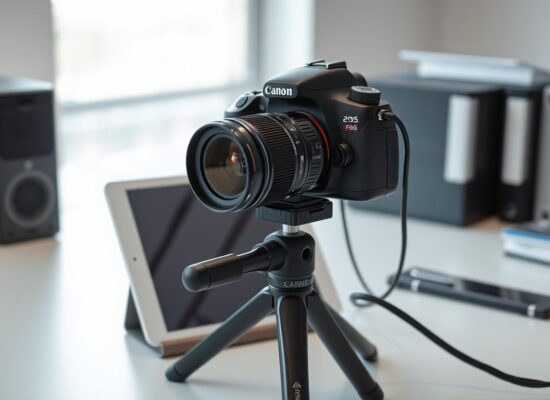
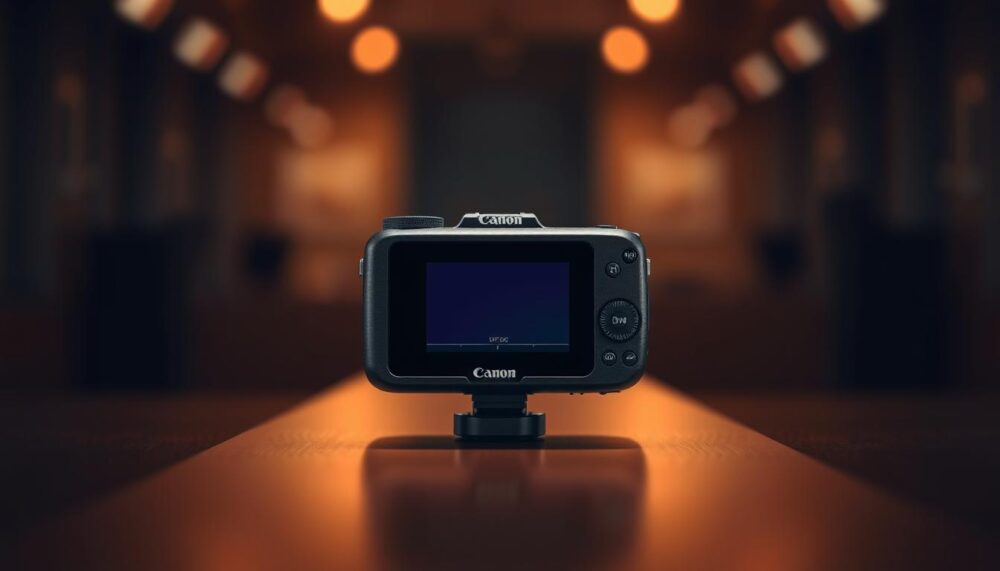
When it comes to photography, finding the right accessories can make all the difference. Many Fuji users often wonder if the Canon EVF-DC1 is compatible with their devices. This question arises due to the product’s original design for Canon’s PowerShot and EOS M series. However, cross-brand compatibility is not always straightforward.
Fuji enthusiasts frequently explore alternative viewfinder options to enhance their shooting experience. The EVF-DC1, though discontinued, remains a sought-after accessory. Its compact design and functionality make it an attractive choice. Yet, technical factors such as mount types and electronic protocols play a crucial role in determining compatibility.
This article delves into the specifics of whether this product can be used with Fuji devices. We’ll examine both physical and electronic aspects to provide a clear answer. Additionally, we’ll explore trade-in options for those seeking Fuji-compatible gear. Let’s uncover the details in a friendly yet precise manner.
Key Takeaways
- The EVF-DC1 was originally designed for Canon’s PowerShot and EOS M series.
- Fuji users often seek alternative viewfinder options for their cameras.
- Technical factors like mount types and protocols affect compatibility.
- The product is discontinued but remains popular among photography enthusiasts.
- Trade-in options are available for those looking for Fuji-compatible accessories.
Introduction to the Canon EVF-DC1
Photography enthusiasts often seek tools that elevate their creative process. The Canon EVF-DC1 is one such accessory, designed to enhance the shooting experience for mirrorless systems. This electronic viewfinder offers a range of features that cater to both amateur and professional photographers.
What is the Canon EVF-DC1?
The EVF-DC1 is a compact electronic viewfinder that connects to compatible devices. It features a 3.0-inch LCD screen with XGA resolution, providing 236k dots and 100% coverage. This ensures a clear and detailed view of your subject, even in challenging lighting conditions.
Key Features of the EVF-DC1
One standout feature is its 90° upward tilt, ideal for waist-level shooting. This ergonomic design allows for greater flexibility and comfort during use. Additionally, the dioptric adjustment range of -3 to +1m⁻¹ ensures bespoke eye relief for users with varying vision needs.
Related Posts:
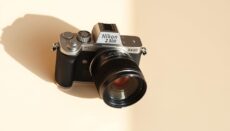
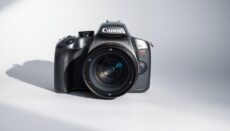
The viewfinder also displays shooting information, including camera settings and data. This functionality makes it easier to adjust parameters on the fly, enhancing efficiency. However, it’s important to note that the EVF-DC1 is only compatible with specific models, such as the Canon PowerShot G1 X Mark II and EOS M3/M6.
Though discontinued, the EVF-DC1 remains available in the used market. Its condition and availability vary, so it’s worth researching thoroughly before purchase. For those seeking a reliable electronic viewfinder, this accessory is a worthy consideration.
Does the Canon EVF-DC1 Work with Fuji Cameras?
Exploring cross-brand compatibility often reveals surprising limitations. While the Canon EVF-DC1 is a versatile electronic viewfinder, its design is tailored for specific models. Fuji users may find themselves questioning whether this accessory can integrate seamlessly with their devices.
Understanding Compatibility Between Brands
One of the primary challenges lies in the proprietary accessory shoe connection. Canon’s design differs significantly from Fuji’s X-mount system, making physical compatibility unlikely. Additionally, the electronic communication protocols between the two brands are incompatible, further complicating matters.
Fuji’s own viewfinder solutions, such as the EVF-TL1, are optimised for their camera body. This ensures seamless integration and full functionality. In contrast, attempting to force a connection between the EVF-DC1 and a Fuji device could risk damaging both the accessory and the camera.
Technical Limitations and Considerations
Firmware support is another critical factor. The EVF-DC1 lacks the necessary software to communicate with Fuji systems. This means even if a physical connection were possible, the viewfinder would not function as intended.
For those considering alternative mounting solutions, it’s essential to note their limitations. Third-party adapters may not provide the stability or functionality required for professional use. Always refer to Fuji’s official accessory compatibility lists before making a purchase.
- Proprietary hot shoe designs differ between Canon and Fuji.
- Electronic communication protocols are incompatible.
- Lack of firmware support prevents functionality.
- Forced connections may cause damage to both devices.
- Check Fuji’s compatibility lists for verified accessories.
Features of the Canon EVF-DC1
Photography accessories can significantly enhance your creative workflow. The Canon EVF-DC1 is a prime example, offering features that cater to both casual and professional photographers. Its compact design and advanced functionality make it a standout choice for those seeking precision and convenience.
High-Resolution XGA LCD Screen
The XGA LCD screen boasts a 1.0-megapixel resolution, ensuring sharp and detailed visuals. Its 3:2 aspect ratio matches most camera sensors, providing a seamless viewing experience. Whether you’re framing a landscape or focusing on a portrait, the clarity of this screen is unmatched.
Additionally, the brightness via camera settings adjusts automatically, ensuring optimal visibility in various lighting conditions. This feature eliminates the need for manual adjustments, allowing you to focus on capturing the perfect shot.
Dioptric Adjustment and Upward Tilt Functionality
One of the standout features is the dioptric adjustment range of -3 to +1m⁻¹. This is particularly beneficial for glasses wearers, offering bespoke eye relief for a comfortable viewing experience. The upward tilt mechanism adds another layer of versatility, enabling waist-level shooting with ease.
This ergonomic design is ideal for photographers who need flexibility in their shooting angles. Whether you’re capturing low-angle shots or working in tight spaces, the tilt functionality ensures you never miss a moment.
Displays Shooting Information
The camera monitor overlay provides real-time shooting information, including exposure settings, histograms, and focus peaking. This data is invaluable for making quick adjustments on the fly, enhancing both efficiency and accuracy.
Compared to optical viewfinders, the electronic viewfinder experience offers a more comprehensive overview of your shot. This feature is particularly useful for those who rely on precise control over their photography settings.
Alternatives for Fuji Camera Users
For Fuji camera enthusiasts, finding the right electronic viewfinder can transform your photography experience. While the Canon EVF-DC1 isn’t compatible, there are excellent alternatives designed specifically for Fuji systems. These options ensure seamless integration and enhanced functionality.
Recommended Electronic Viewfinders for Fuji Cameras
Fuji offers its own solutions, such as the EVF-TL1 tiltable viewfinder. Designed for X-mount systems, it provides exceptional optical quality and ergonomic design. Third-party options like the Meike MK-X100E also cater to Fuji users, offering affordability without compromising on performance.
When comparing resolution specs, the Fuji EVF-TL1 stands out with its high-definition display. It surpasses many third-party models, ensuring crisp and detailed visuals. Eye relief and dioptric adjustments are also tailored for comfort, making it a favourite among professionals.
Comparing Features and Performance
Price points vary between new and used markets. While Fuji’s proprietary viewfinders are pricier, they come with a 6-month warranty and the assurance of full compatibility. Third-party options are more budget-friendly but may lack extended coverage.
Trade-in programmes are available for those looking to upgrade. These initiatives often provide discounts on new purchases, making it easier to invest in high-quality accessories. Always check the condition grades of used equipment to ensure you’re getting value for money.
- Fuji’s proprietary colour science enhances image accuracy.
- Third-party viewfinders offer affordability but may lack advanced features.
- Trade-in programmes can reduce costs for upgrading to Fuji-specific gear.
User Experiences and Reviews
Understanding user experiences can provide valuable insights into the performance of photography equipment. Whether you’re considering a purchase or evaluating alternatives, real-world feedback is essential. Here, we explore what users have to say about the electronic viewfinder landscape.
Feedback from Canon EVF-DC1 Users
Many users praise the tilt functionality of the EVF-DC1, noting its convenience for waist-level shooting. The brightness adjustment feature also receives positive remarks, particularly for its ability to adapt to various lighting conditions. However, some express frustration over the discontinued status, which affects stock availability.
Maintenance issues, such as loose connections or wear on the accessory shoe, are occasionally reported. Despite these concerns, the overall rating remains high, with many users appreciating its compact design and ergonomic build.
What Fuji Camera Users Are Saying
Fuji users often highlight the seamless integration of their proprietary viewfinder solutions. The EVF-TL1, for instance, is lauded for its high-resolution display and comfortable eye relief. Users also appreciate the colour accuracy that aligns with Fuji’s signature style.
When it comes to third-party adapters, experiences vary. While some report success with alternative items, others face compatibility issues or reduced functionality. Battery life is another common topic, with many users recommending carrying spare cards for extended shoots.
Warranty claims are generally straightforward, though users advise checking the condition grades of used equipment before purchase. Overall, Fuji-specific solutions tend to meet user expectations more consistently than cross-brand alternatives.
Conclusion
Choosing the right accessories for your camera can significantly impact your photography experience. While the EVF-DC1 offers impressive features, its compatibility limitations make it unsuitable for Fuji systems. Instead, Fuji users should explore brand-specific solutions like the EVF-TL1, which ensures seamless integration and optimal performance.
Before purchasing any equipment, always check return policies to avoid potential issues. Trade-in programmes are also worth considering, as they can help reduce costs when upgrading to Fuji-compatible gear. Additionally, when buying used products, pay close attention to condition grades to ensure value for money.
Consulting with specialists can provide further clarity on the best options for your needs. Remember, brand-specific accessories often deliver the most reliable results. Explore Fuji-compatible solutions to enhance your photography journey.
FAQ
What is the Canon EVF-DC1?
The Canon EVF-DC1 is an electronic viewfinder designed for select PowerShot models. It enhances shooting by providing a high-resolution XGA LCD screen and dioptric adjustment for clarity.
Can the Canon EVF-DC1 be used with Fuji cameras?
No, the Canon EVF-DC1 is not compatible with Fuji cameras. It is specifically designed for certain Canon PowerShot models due to technical and mounting differences.
What are the key features of the Canon EVF-DC1?
The EVF-DC1 boasts a high-resolution XGA LCD screen, dioptric adjustment, and an upward tilt functionality. It also displays shooting information directly on the screen.
Are there alternatives for Fuji camera users?
Yes, Fuji camera users can explore electronic viewfinders designed specifically for their models. These alternatives often offer similar features and better compatibility.
How does the Canon EVF-DC1 enhance photography?
The EVF-DC1 improves shooting accuracy with its high-resolution screen and dioptric adjustment. It also provides essential shooting information, making it easier to capture the perfect shot.
What do users say about the Canon EVF-DC1?
Users appreciate its high-resolution display and ergonomic design. However, Fuji camera users note its incompatibility with their systems, suggesting brand-specific alternatives.